
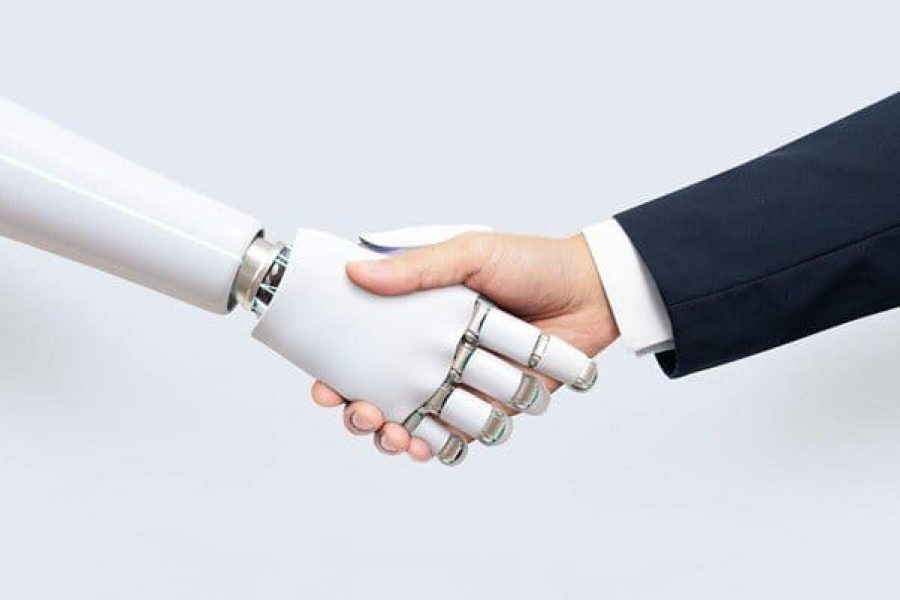
Today, an increasing number of companies are using Artificial Intelligence (AI) to work faster and smarter. Some are even building their own AI systems to help with tasks like writing reports, making decisions, or finding functional patterns in data.
Here’s the problem: Even when companies invest a lot of money in AI, many workers do not want to use it. Why? They feel unsure, scared, or simply not ready.
This tells us something important: it’s not just about technology, it’s about the people. And it also raises a bigger question for schools and educators: Are we preparing the next generation to feel ready for a world where AI is everywhere?
At PIEX Education, our answer is yes. We are helping children become confident, creative, and ready for the future, even if that future includes jobs that do not exist yet.

Why Are Employees Reluctant to Embrace AI?
To understand how to help kids prepare for AI, we need to first look at why adults are struggling with it now.
1. Fear of Obsolescence and Job Displacement
One of the biggest reasons people resist AI is fear. Some workers believe that AI will take over their jobs. They worry that machines will replace them, leaving them without work. Even when companies say AI is just a tool to help people do their jobs better, the fear of being replaced can still stop people from using it.
This fear often comes from not knowing what AI is capable of and what it is not. If we want the next generation to feel confident around AI, we need to teach them how to use it as a tool, rather than viewing it as a threat.
2. Lack of Digital Fluency
Not everyone grew up with digital devices. For many older workers, using AI feels unfamiliar or even scary. They might already struggle with computers or apps and now they are being asked to understand something more advanced like machine learning or automation.
When you are not confident with basic technology, AI can feel like a whole new language. It is no surprise that some people feel overwhelmed. That is why it is so important to build digital confidence from a young age so that using new tools feels exciting, not stressful.
3. Poor Change Management
In many workplaces, new AI tools are introduced without proper support. Employees are told to start using something, but they are not shown how or why. There might be no training sessions, no time to practise, and no one to ask for help. This can make even bright, capable workers feel lost.
When people do not understand a tool, they are less likely to trust it or use it properly. It becomes a burden instead of a benefit.
Parents, take note: If you are wondering how to support your kids in learning about coding and AI even if you are not tech-savvy yourself, do not worry. Learning together can be a great way to encourage curiosity and confidence. At PIEX, we create learning environments where no one needs to be an expert to get started.

Check out: How to support your kids in coding when you are not a coder yourself.
4. Trust and Transparency Issues
Would you trust a system if you had no idea how it worked? Many people are unsure about how AI makes decisions. Is it fair? Is it accurate? What if it makes a mistake?
These are real concerns, especially in jobs where decisions can affect people’s safety, finances, or legal outcomes. If people do not understand the logic behind an AI tool, they are more likely to avoid it or question its results.
Trust grows when people feel informed and in control. That is why teaching kids how AI works in simple, hands-on ways is so important. It builds understanding early and helps them make wise, thoughtful choices later on.
5. Disrupted Identity and Workflow
AI can reshape jobs. It might take over repetitive tasks, suggest new ways to do things, or speed up processes. While this can be helpful, it also means workers have to change how they work, sometimes after doing the same thing for many years.
This can be difficult. People may feel like their skills are no longer valued. Their routines are disrupted. Their roles may feel less clear or less important. All of this can lead to confusion, frustration, or resistance.
But when change is part of how you learn and grow, as it is in future-ready education, you are less likely to fear it. You learn to adapt instead of push back.
What This Means for Educators — and PIEX
These struggles are not just happening in the workplace. They are signs of a bigger issue; many people were never taught how to adapt to fast-changing technology.
That’s why education is so important. If we want children to feel ready for the future, we need to start now by helping them become flexible, curious, and confident around new tools like AI.
At PIEX Education, we do not just teach students to use technology; we help them grow with it.
How PIEX Can Prepare Children for an AI-Driven Future
So, what can we do to make sure the next generation feels ready for a world filled with AI? At PIEX Education, we believe the answer starts early. Children do not need to fear AI — they need to understand it, work with it, and use it to solve real-world problems.
Here is how we are helping kids grow into future-ready thinkers, creators, and leaders in a world shaped by technology.
1. Teach Adaptability, Not Just Tools
Technology changes fast. Instead of focusing only on today’s tools, we teach children how to adapt when things change. They learn to ask questions, try new ways, and keep learning even when things feel hard.
“The illiterate of the future are not those who can’t read or write but those who cannot learn, unlearn, and relearn.” Alvin Toffler
Learn more about: Building Problem-Solving Skills with 3D Modelling and Computational Thinking
2. Introduce AI Literacy Early
At PIEX, children as young as six start learning about AI. Not in boring lectures, but through fun games, stories, and hands-on activities. They know how machines learn, how data works, and why AI can be helpful. This makes AI less intimidating and more exciting.
3. Encourage Human-AI Collaboration
We do not teach kids to fear AI. We teach them to work with it. Whether they are designing simple robots or training a chatbot, our students learn that AI is a helpful partner, not a threat.
Please have a look at: Teaching Computer Science Principles to Kids: A Fun and Engaging Approach to see how we teach.
4. Cultivate a Growth Mindset and Emotional Intelligence
Skills like coding and maths are important. But so is having the right mindset. At PIEX, we help children build a growth mindset, the belief that they can always learn and improve. We also help them understand their emotions so that they can handle challenges calmly and efficiently.
5. Create Safe Spaces for Failure and Experimentation
Trying something new often means making mistakes. At PIEX, we make sure kids know that failing is part of learning. They are encouraged to try, test, mess up — and then try again. This builds courage, confidence, and problem-solving skills.
Why This Matters More Than Ever
Today, companies are moving fast with AI. But not everyone is ready to move with them. This gap between people and technology is not just a workplace problem; it’s a learning problem.
When today’s children grow up, AI will be even more advanced. Many of them will work in jobs that do not even exist yet. That means they need more than just facts or tools; they need to know how to learn, how to think, and how to work with machines.
At PIEX Education, we are preparing children for this kind of future. We help them build the skills and mindset to face the unknown with confidence and creativity.
Conclusion
AI is growing fast. But the real challenge is not the technology, it’s helping people feel ready to use it.
Right now, many adults are unsure how to work with AI. That is why we need to start early — by teaching children to be flexible, brave, and curious about the world of technology.
PIEX is proud to be part of this change. We are not just preparing kids for jobs. We are preparing them for a world where they can shape the future of AI, not fear it.
Let’s build a generation that does not just use technology, but grows with it.